
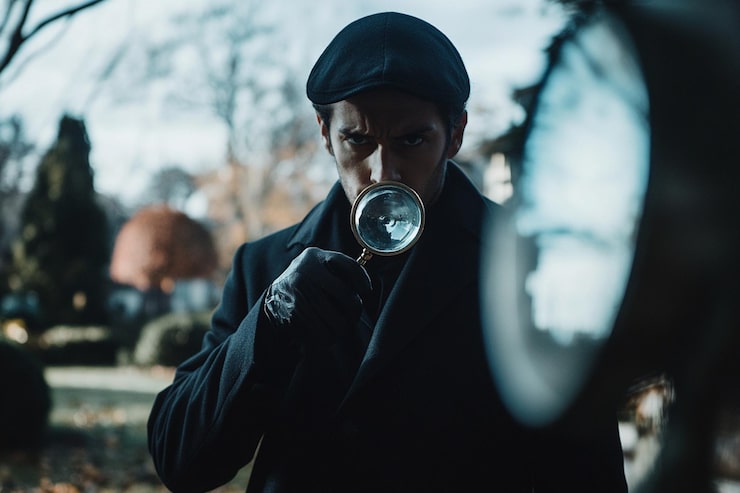
When facts are unclear and suspicions aren’t enough, private investigator surveillance becomes one of the most effective ways to uncover the truth. It’s not just about watching someone—it’s about collecting solid, time-stamped evidence that can stand up in legal or personal situations.
Done correctly, surveillance turns uncertainty into documented proof.
What Is Private Investigator Surveillance?
Private investigator surveillance is the process of discreetly observing and recording a subject’s activities without their knowledge. The goal is to build a factual timeline of behavior using reliable evidence.
Professional investigators rely on:
- Covert observation techniques
- High-quality photo and video equipment
- Mobile and stationary surveillance setups
- Legal tracking methods (where permitted)
This ensures everything collected is accurate and admissible if needed.
Common Situations Where Surveillance Is Used
Infidelity Investigations
Surveillance helps confirm or disprove suspicions with real evidence rather than assumptions.
Insurance Fraud
Investigators document activities that may contradict injury claims.
Child Custody Cases
Courts often depend on observed behavior to determine what’s in the child’s best interest.
Employee Misconduct
Businesses use surveillance to identify theft, policy violations, or unethical behavior.
Types of Surveillance Techniques
Mobile Surveillance
Following a subject while maintaining distance and avoiding detection.
Stationary Surveillance
Observing from a fixed location such as a parked vehicle or nearby property.
Digital Surveillance
Monitoring publicly available online activity and digital footprints.
Each method is selected based on the case requirements and environment.
How the Surveillance Process Works
1. Case Planning
The investigator gathers details about the subject’s routine, locations, and objectives.
2. Strategy Development
A plan is created based on timing, location, and risk level.
3. Field Execution
Investigators conduct surveillance while documenting all relevant activity.
4. Evidence Reporting
Findings are compiled into structured reports with timestamps, photos, and videos.
Legal Boundaries You Should Know
Surveillance must always stay within the law. Professional investigators understand:
- Privacy laws and restricted areas
- What can legally be recorded
- How to collect evidence that holds up in court
Illegal surveillance can invalidate evidence and damage your case.
What High-Quality Surveillance Looks Like
When evaluating private investigator surveillance, expect:
- Clear photo and video documentation
- Accurate, time-stamped reports
- Consistent updates during the investigation
- Professional and discreet operations
Many people review private investigator surveillance to understand how experienced agencies structure their work and deliver results.
Challenges in Surveillance Work
Surveillance isn’t always straightforward. Investigators often deal with:
- Subjects who change routines unpredictably
- High-traffic or high-risk environments
- Long hours with minimal activity
- Strict legal limitations
This is why experience and strategy matter more than just equipment.
Tips Before You Hire a Surveillance Expert
To get the best results:
- Provide detailed and accurate information
- Be clear about your objective
- Avoid interfering during the investigation
- Stay patient—effective surveillance takes time
Final Thoughts
Private investigator surveillance is one of the most powerful tools for uncovering the truth—but only when done professionally and legally.
The right investigator doesn’t just observe—they analyze, document, and deliver evidence that gives you clarity and confidence when you need it most.