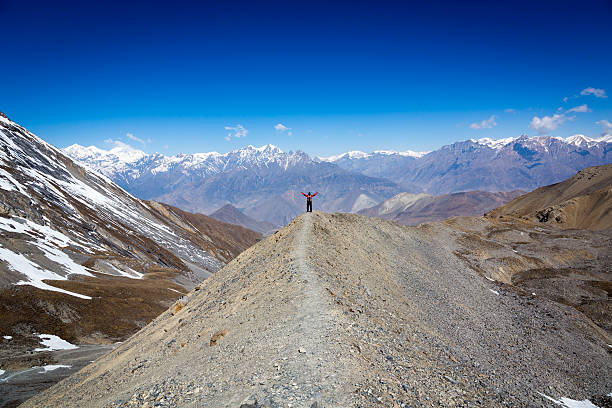
Some landscapes seem made for a camera. Eroded canyons in shades of red and gold, mud-brick villages, monks in maroon robes and a sky so clear it looks painted all show up in this part of northern Nepal. Photographers who come here rarely stop shooting. Even a short stay fills memory cards faster than expected, and the light keeps changing the scene from hour to hour.
Why the Light Here Is Different
The region sits high and dry, with very little moisture in the air. That means sharp detail, deep blue skies and strong shadows. Morning light turns the clay walls of the villages a soft orange, while evening sun sets the cliffs on fire for a few short minutes. If you plan a photography trip to Upper Mustang, ask your operator to build in extra time at the best viewpoints and an early start each day, because the best light rarely lasts past the first hour after sunrise.
A local guide helps in another way too. People here are friendly, but they are more relaxed with a camera when someone they know makes the introduction.
What to Point Your Lens At
The Sky Caves of Chhoser
Hundreds of caves are carved high into vertical rock walls, some of them thousands of years old. No one is fully sure who made them or why. A telephoto lens works best here, and the shadows inside the openings make for dramatic frames.
Murals, Statues and Thangka Paintings
Inside the old monasteries you will find faded frescoes, gilded statues and richly painted scrolls. Photography is often limited or not allowed indoors, so always ask first. When permitted, shoot without flash, since it damages the old pigments.
Everyday Life
Some of the best pictures are quiet ones. A farmer leading a horse through a barley field, an old woman turning a prayer wheel, children running between the stone walls of Lo Manthang. Take your time with these and talk to people before you shoot.
Gear That Actually Matters
Batteries and Cold
Nights get freezing, and cold drains batteries quickly. Carry spares and keep them inside your jacket overnight. A small power bank is useful, though charging points in teahouses can be limited and sometimes cost extra.
Dust and Wind
The valley is dry and windy, and fine dust gets everywhere. Bring a good lens cloth, a blower, protective covers and a padded bag. Change lenses inside a building or a jacket when you can, not out in the open wind.
A Sensible Lens Kit
A wide zoom handles the landscapes, and a medium telephoto handles details and portraits. A tripod is helpful for sunrise and star shots, as the night sky here is remarkably clear, but pick a light one since you will be carrying it at altitude.
Conclusion
This region rewards patient photographers. The scenery is powerful, the culture is real and the light is hard to match anywhere else in Nepal. Travel with a knowledgeable guide, protect your gear from cold and dust, and be respectful when you photograph people. Do that, and you will bring home pictures that tell the whole story of the place.