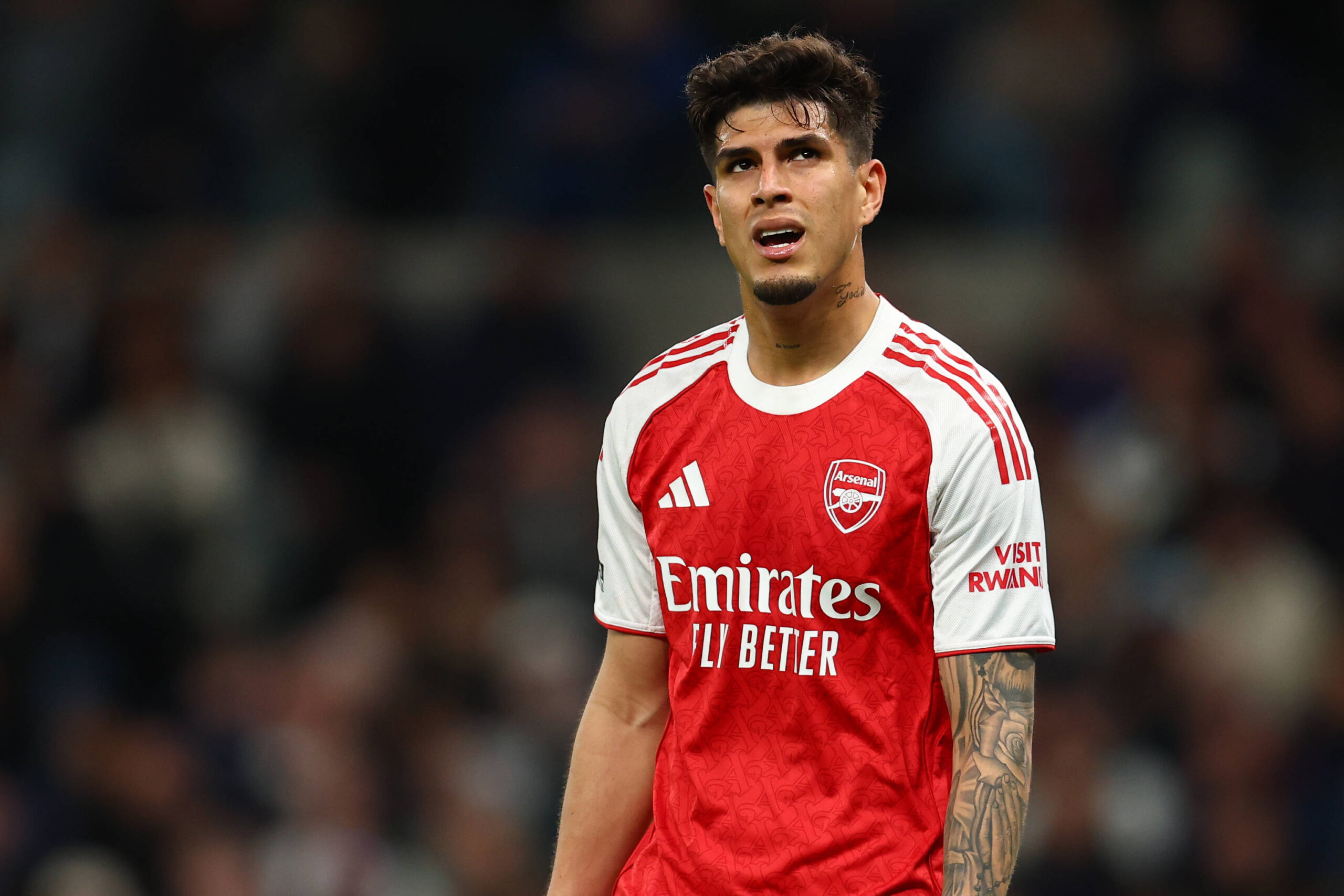
Big European nights are rarely decided by tactics alone. They are shaped in the days before kickoff, in treatment rooms and on training pitches where managers quietly count who is fit and who is not. The latest Arsenal injury news carries a welcome note for supporters. According to EPL Index, defender Piero Hincapie has returned to training following his ankle injury, just as the club prepares to face Bayern Munich. A single player stepping back onto the grass may sound minor. In a squad chasing success on several fronts, it can change selection debates, rotation plans, and the mood inside the camp. Here is what the update really means, and why it matters beyond one match.
What Hincapie’s Return to Training Really Means
Let’s start with the plain facts. Hincapie, the Ecuadorian defender who arrived from Bayer Leverkusen, has been working with the group again after an ankle problem. That is encouraging, but returning to training and being match ready are two different milestones.
Training participation usually happens in stages. A player often begins with individual work, moves into non-contact drills, and only then rejoins full sessions with tackles and sudden changes of direction. Ankles are tricky because they absorb the kind of twisting force that defenders face constantly. Staff want to see a player turn, sprint, and challenge for the ball without hesitation before they sign off.
There is also the matter of rhythm. Even a fit player can look a half step slow after time away. Against a side as sharp as Bayern, half a step is the difference between a clean block and a penalty claim. So while the news is positive, the real question for Arsenal’s staff is not simply whether he is available. It is whether he is ready for the pace of a Champions League night.
How Arsenal Can Manage a Returning Player Smartly
Handling a comeback well is part science and part restraint. Clubs that get it right tend to follow a few simple habits.
First, they let data and feel work together. Sports science teams track sprint distances, acceleration loads, and recovery markers, but the coaches who watch the player every day add context that numbers cannot. If a defender looks confident in one-on-one drills, that tells you something.
Second, they avoid rushing the first minutes. A returning defender can be introduced from the bench, or eased in during a lower pressure fixture, rather than being thrown into the most demanding match on the calendar. Arsenal have the depth to be patient, and patience protects against the dreaded setback that costs a month instead of a week.
Third, they communicate openly with the player. Athletes sometimes hide discomfort because they badly want to play. A culture where saying “it still feels tight” is respected rather than punished keeps small issues from becoming big ones. For anyone following Arsenal injury news week to week, these quiet decisions often explain more than the headlines do.
Reading the Squad Picture: An Expert Perspective
Think about how a manager sees this situation. Mikel Arteta is not only picking a team for one evening. He is balancing a calendar packed with league fixtures, cup commitments, and European ties, all while trying to keep key players fresh.
A fit Hincapie gives him options. Defenders who can operate in more than one role are gold in a congested schedule. They allow a coach to rest a regular starter without a drop in structure, and they offer a different profile depending on the opponent. Against a side that stretches the pitch and attacks with quick combinations, having extra cover in the back line is a real tactical comfort.
It helps to look at examples from elsewhere in football. Teams that handle injuries well rarely rely on one heroic return. They build squads where the next player is trusted, and where a comeback adds competition instead of pressure. Arsenal’s recent seasons have leaned on exactly that idea, and each recovered player strengthens the argument that depth wins long campaigns.
Still, caution is wise. Nobody outside the club knows how the final fitness checks will go, and managers often keep their cards close until team news is confirmed. Supporters should treat the update as a good sign, not a promise.
Why Arsenal Injury News Shapes the Season Ahead
Looking forward, injury management is becoming one of the biggest competitive edges in modern football. Clubs now invest heavily in recovery technology, individual load monitoring, and specialist rehabilitation staff. The goal is simple: keep more of your best players on the pitch for more of the year.
For fans, this changes how we read team news. A training photo or a short fitness update is no longer small talk. It signals how a manager may rotate, how the bench could look, and even how ambitious a club can be across competitions.
There is a business angle too. Availability protects the value of a playing squad, and a healthy group supports everything from matchday atmosphere to commercial performance. A club that loses fewer player hours to injury is simply getting more from its investment. Expect that logic to drive even more spending on performance science in the coming years.
Conclusion
Hincapie’s return to training is a small but meaningful lift for Arsenal ahead of a demanding test against Bayern Munich. It adds depth, widens Arteta’s options, and shows the club’s recovery process moving in the right direction. Yet the smartest reading is a measured one. Training is a step, not the finish line, and the staff will want proof of full readiness before handing him a major role. For anyone tracking Arsenal injury news, the takeaway is clear: availability wins matches quietly, and the clubs that manage it best usually finish seasons strongest.
FAQ
Who is returning to training for Arsenal ahead of the Bayern Munich game? According to EPL Index, defender Piero Hincapie has returned to training after recovering from an ankle injury.
Does returning to training mean Hincapie will play against Bayern? Not necessarily. Training is one stage of recovery. The coaching and medical staff still decide whether he is match fit and how many minutes he can handle.
Why are ankle injuries tricky for defenders? Defenders twist, sprint, and change direction constantly, which puts heavy stress on the ankle. Staff usually want full confidence in these movements before clearing a player.
How does a returning player help Arsenal’s squad depth? An extra fit defender gives the manager more rotation choices across a busy schedule and added cover for tactical changes.
Where can fans find reliable team news before kickoff? Official club channels and press conferences are the most dependable sources, followed by respected football news outlets that cite them.