
Trees are among the most beautiful and beneficial elements of our environment. They provide shade, enhance property value, and support local wildlife. But sometimes, even the strongest trees can pose a danger. Storms, disease, or structural weaknesses can turn a peaceful backyard giant into a serious hazard. That’s where emergency tree removal becomes crucial. Understanding this process can help homeowners protect their property, ensure safety, and act quickly when nature takes an unexpected turn.
Why Emergency Tree Removal Is Important
Not all tree problems require immediate attention. However, certain situations demand urgent action. Emergency tree removal is essential when a tree poses a threat to people, pets, or property.
Some common scenarios include:
- Trees uprooted or leaning dangerously after heavy storms
- Branches hanging over rooftops or power lines
- Diseased or decaying trees showing signs of instability
Ignoring these warning signs can lead to severe damage and even injuries. A proactive approach ensures safety and prevents costly repairs later.
Signs You Need Emergency Tree Removal
Recognizing the warning signs of a hazardous tree is key to timely action. Here are some critical indicators:
- Cracks and Splits – Large cracks along the trunk or main branches can indicate internal decay.
- Leaning Trees – If a tree suddenly tilts, especially after heavy wind or rain, it may be on the verge of falling.
- Fungal Growth – Mushrooms or fungus around the base often indicate root rot.
- Dead Branches – Large, dead limbs can break off unpredictably, posing a risk to anyone nearby.
- Emergency tree removal professionals can assess these risks, providing safe and efficient solutions before the situation escalates.
How Professionals Handle Emergency Tree Removal
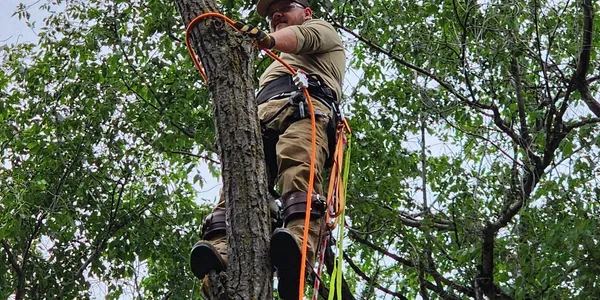
When a tree becomes an immediate threat, handling the situation yourself can be risky. Certified arborists bring experience, proper equipment, and safety protocols to the job. Here’s what the process generally involves:
- Assessment – Experts evaluate the tree’s stability, nearby structures, and potential hazards.
- Strategic Planning – They plan the safest removal method, considering weight, height, and location.
- Safe Removal – Using ropes, cranes, and cutting tools, the tree is removed without causing additional damage.
- Clean-Up – Professionals clear debris, leaving the property safe and tidy.
Hiring professionals also minimizes liability and ensures that insurance requirements are met. Attempting DIY removal in an emergency can lead to accidents, property damage, or legal complications.
Preventive Measures to Avoid Emergency Tree Removal
While emergencies can’t always be avoided, proactive tree care reduces risks. Regular inspections, pruning, and addressing small problems early can save homeowners from sudden crises.
- Schedule annual evaluations by a licensed arborist.
- Remove dead or weak branches before storms hit.
- Treat diseases or infestations promptly.
- Ensure trees are planted at safe distances from homes and power lines.
These preventive measures not only enhance safety but also extend the life of your trees, keeping your property beautiful and secure.
Conclusion: Safety First, Peace of Mind Always
Trees add immense value to our surroundings, but even nature’s giants can become threats. Recognizing the need for emergency tree removal, understanding the warning signs, and relying on skilled professionals ensures safety for everyone. By combining vigilant care with timely intervention, you can protect your home, family, and property from unforeseen accidents. Remember, a well-maintained tree is a safe tree, but when danger strikes, acting quickly is essential. Your peace of mind is worth every precaution.