Somebody always ends up organizing. You know the one. Three weeks before the birthday dinner, they’re chasing replies in a group chat, and by the night itself they’re the only person who knows where everyone’s supposed to be standing.
If that’s you, this is for you.
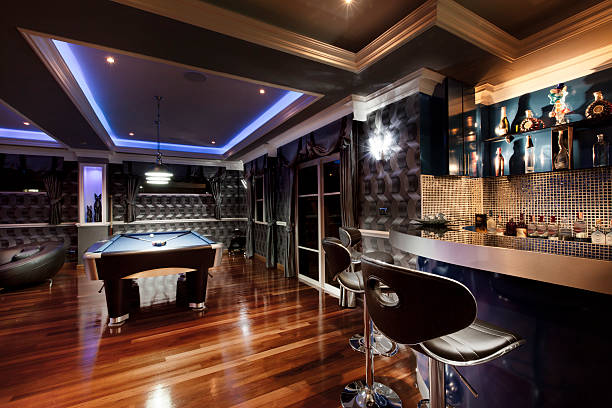
A group night at a 해운대룸빠 can go brilliantly or fall apart in the first twenty minutes, and the difference is rarely the venue. It’s what got decided beforehand. I’d start by browsing 해운대룸 options while the plan is still loose, because the room size you can get shapes everything else: who fits, what it costs, and even what time you should aim to arrive.
One organizer, one number
Committees are where good plans go to die. Pick a single person to talk to the venue, and let everyone else send their requests to that person instead of to staff directly. It keeps the quote consistent and spares the venue from five slightly different versions of the same booking.
Then settle the budget ceiling. Out loud, in the chat, before anyone books anything. People hate this step, and it saves friendships. A group where half the table is comfortable spending freely, and half is quietly counting, will end the night resentful, no matter how good the room was.
Headcount is a promise, not a guess
“Probably eight, maybe ten.” Venues can’t work with that. Rooms come in particular sizes, some have minimum spends, and a room built for six becomes uncomfortable at nine in about four minutes.
Ask people to confirm properly, with a deadline. Then add a buffer of one, not three. Overbooking leaves you paying for empty seats, while underbooking leaves someone perched on an armrest.
If the group is genuinely uncertain, say so when you message the venue. They’d rather hear a range and suggest a room than discover the problem at the door.
Build the evening backward
Start from the time you want to arrive and work out the rest. A common pattern is dinner first, then the room, which sounds obvious until half the group is still finishing dessert across town when the booking begins. Time blocks start when they start. Nobody pauses the clock for latecomers.
So give people a firm arrival window and a meeting point. Tell them the booking time is slightly earlier than reality if you have chronic stragglers. It works every time, and I’m not sorry.
Ask the venue two things while you’re at it: how long the time block runs, and what an extension costs. Knowing the second number in advance makes the “should we stay another hour?” conversation painless.
Celebration extras
Birthday, promotion, farewell. If there’s an occasion, tell the venue. Some will help with small touches; others won’t, and it’s better to learn that in a message than mid-evening. Ask whether you can bring a cake or a gift and whether there’s a fee for anything you’d like set up beforehand. Policies differ, so don’t assume.
Keep surprises realistic. A surprise that needs the venue to coordinate with you in real time rarely goes smoothly, so give staff a clear heads-up and a simple cue.
Splitting the bill without drama
Decide the method before the first round arrives. Equal split? By person? One payer who collects afterward? Each approach works, but only if it’s agreed while everyone’s still sober and friendly.
The simplest version: one person pays, everyone transfers to them the next morning via whatever app you use. Whoever fronts the money should be told this clearly, because being quietly out of pocket for a week isn’t a favor anyone wants to do twice.
If some people drink more than others, say so early and let them cover the difference. It sounds petty. It’s actually kind, because the alternative is silent resentment.
Look after the first-timer
There’s usually one person in the group who’s never done this. Brief them before you arrive: what the room is like, roughly how the evening runs, and that they can say no to extra orders. A nervous newcomer who knows what to expect relaxes quickly. One who doesn’t spend the first hour watching everyone else for cues.
And remind everyone that nobody’s obliged to stay for the whole block. People can leave when they need to, no explanation required.
Keep the ID thing simple
Everyone in your group needs to be of legal age, which is 19 in Korea, and everyone needs to carry ID. Remind them the day before. Someone forgetting their passport at the hotel is the most avoidable problem in this entire list, and it’s the one that actually happens.
Doing the comparison once, together
The slow part of organizing a group night is comparing venues without a shared view of the options. Everyone texts different links, nobody’s looking at the same prices, and the chat becomes unreadable. Hudroom gathers Haeundae’s room bars and room salons in one place, with pricing and usage details laid out side by side, so the whole group can look at the same page and decide in one conversation instead of twenty.
FAQs
- How far ahead should I book for a big group?
As early as you reasonably can, especially for weekends. Larger rooms are fewer, so they go first. A week ahead is comfortable, and a day or two is risky.
- What if some of my friends arrive late?
The clock usually runs from your booked time, not from when everyone shows up. Tell latecomers a slightly earlier time, and let the venue know about any big gaps in arrival.
- Can we bring our own cake?
Policies vary a lot. Ask when you book, and ask whether there’s any fee, so you’re not improvising in the doorway with a box in your hands.
- Is it rude to split the bill unevenly?
Not if it’s agreed beforehand. People who’ve had more usually don’t mind covering the difference, as long as someone raises it kindly and early.
- Someone in our group is under 19. Can they join?
No. Legal age in Korea is 19, and legitimate venues check. It’s better to plan something else for that person than to turn up and get refused.